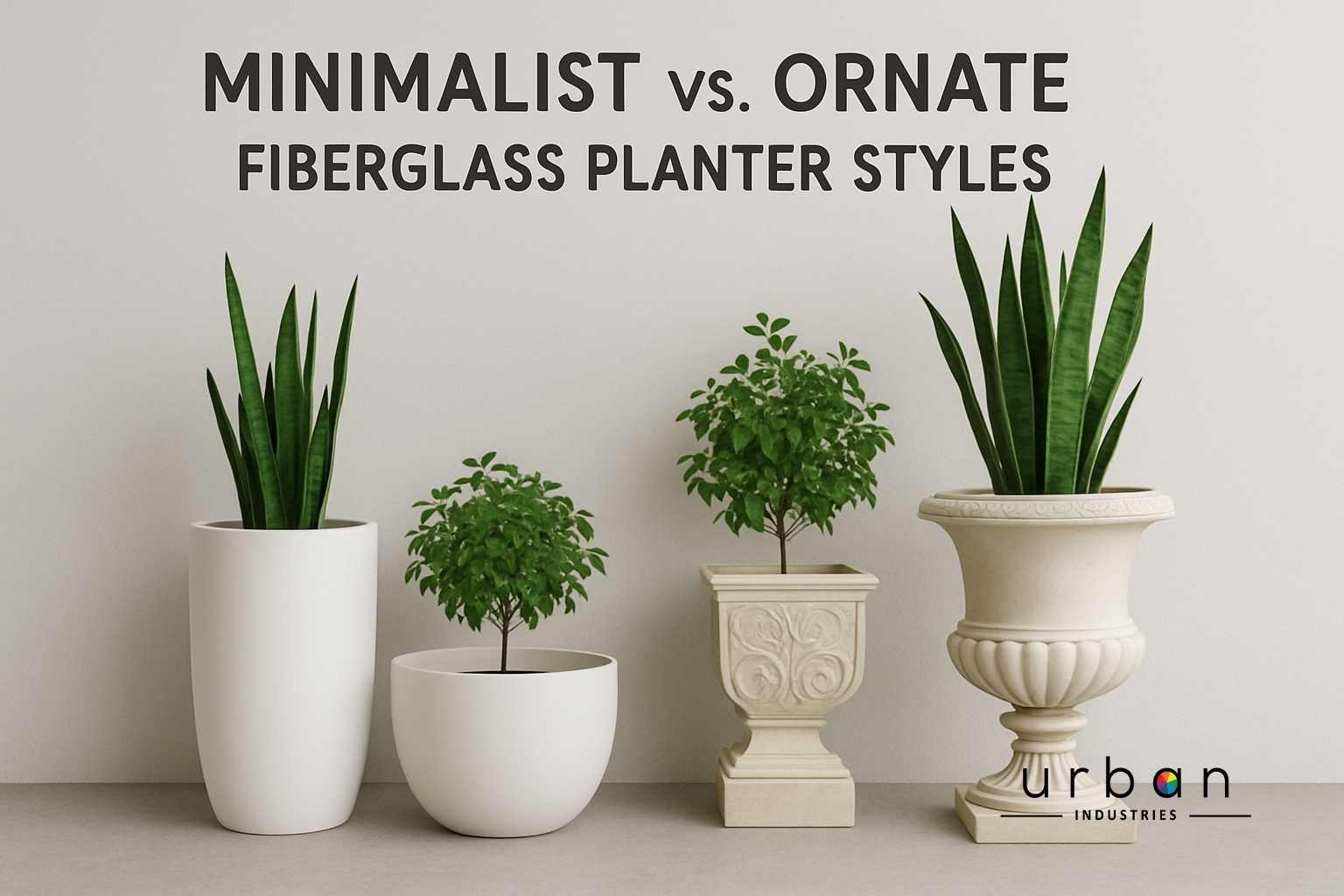
What kind of paint to use on outdoor planters?
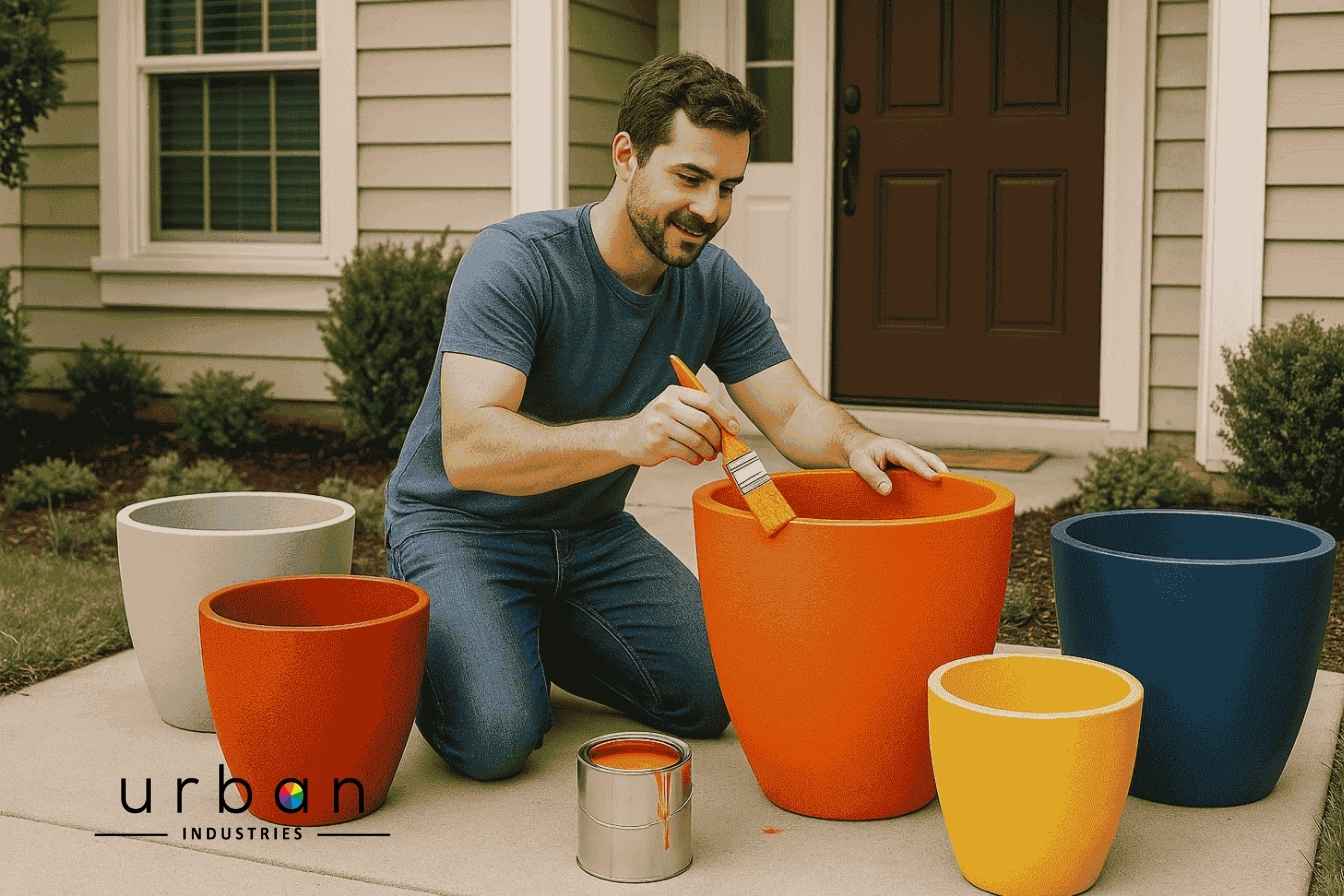
What kind of paint to use on outdoor planters?
Outdoor planters brighten up gardens, patios, and balconies, but constant exposure to sun, rain, and wind can make them look worn out. Painting them not only gives them a fresh look but also protects them from damage. If you’ve ever wondered, "What kind of paint should I use on outdoor planters?", you’re in the right place!
This guide will help you choose the best paint for your planters, explain how to prep them properly, and give step-by-step instructions for a long-lasting finish. Plus, we’ll answer common questions so you can avoid mistakes.
Why Choosing the Right Paint Matters
Not all paints work well outdoors. Some crack in the sun, peel in the rain, or fade over time. The best paint for outdoor planters should:
- Be weather-resistant – Stands up to rain, snow, and UV rays.
- Stick well to the material – Whether it’s wood, metal, ceramic, or plastic.
- Last long without chipping – So you don’t have to repaint every year.
Using the wrong paint can lead to peeling, mold growth, or even damage to the planter itself. That’s why we’ll break down the best options below.
Here's your complete paint comparison chart:
| Planter Material | Best Paint Type | Why It Works Best | Special Tips |
| Terracotta/Ceramic | Outdoor Acrylic | Flexible, breathable | Always seal with outdoor varnish |
| Wood | Exterior Latex | Moves with wood expansion | Use oil-based primer first |
| Metal | Rust-Oleum Spray Paint | Prevents rust formation | Light sanding improves adhesion |
| Plastic | Plastic-Specific Spray Paint | Bonds to slick surfaces | Clean with alcohol first |
| Concrete | Masonry Paint | Fills tiny pores | Etch surface for better grip |
| Fiberglass | Marine-Grade Epoxy | Withstands flexing | Light sanding + special primer |
Fiberglass Planters: Special Painting Considerations
Fiberglass is tricky because it expands/contracts and has a slick surface. Here's how to paint it right:
- Clean Thoroughly - Use degreaser to remove all wax/residue
- Sand Lightly - 220-grit sandpaper creates texture for paint to grip
- Use Special Primer - Fiberglass adhesion promoter is a must
- Best Paint Choices:
- Marine-grade epoxy (most durable)
- Acrylic enamel (good balance of durability & ease)
- Urethane-based paint (flexes with material)
Pro Tip: Avoid latex on fiberglass - it will peel quickly!
Complete Step-by-Step Painting Guide
Prep Work (The Secret to Long-Lasting Paint)
1. Deep Cleaning
- Mix 1 part vinegar to 3 parts water
- Scrub with stiff brush (use TSP for tough grime)
- Rinse completely and dry 24 hours
2. Surface Preparation
- Sand: 120-grit for wood/concrete, 220-grit for metal/fiberglass
- Wipe away all dust with tack cloth
3. Priming (When Needed)
- Wood: Oil-based primer
- Metal: Rust-inhibiting primer
- Fiberglass: Adhesion promoter
Painting Techniques
- Brush Work: Use angled sash brush for edges, then fill with roller
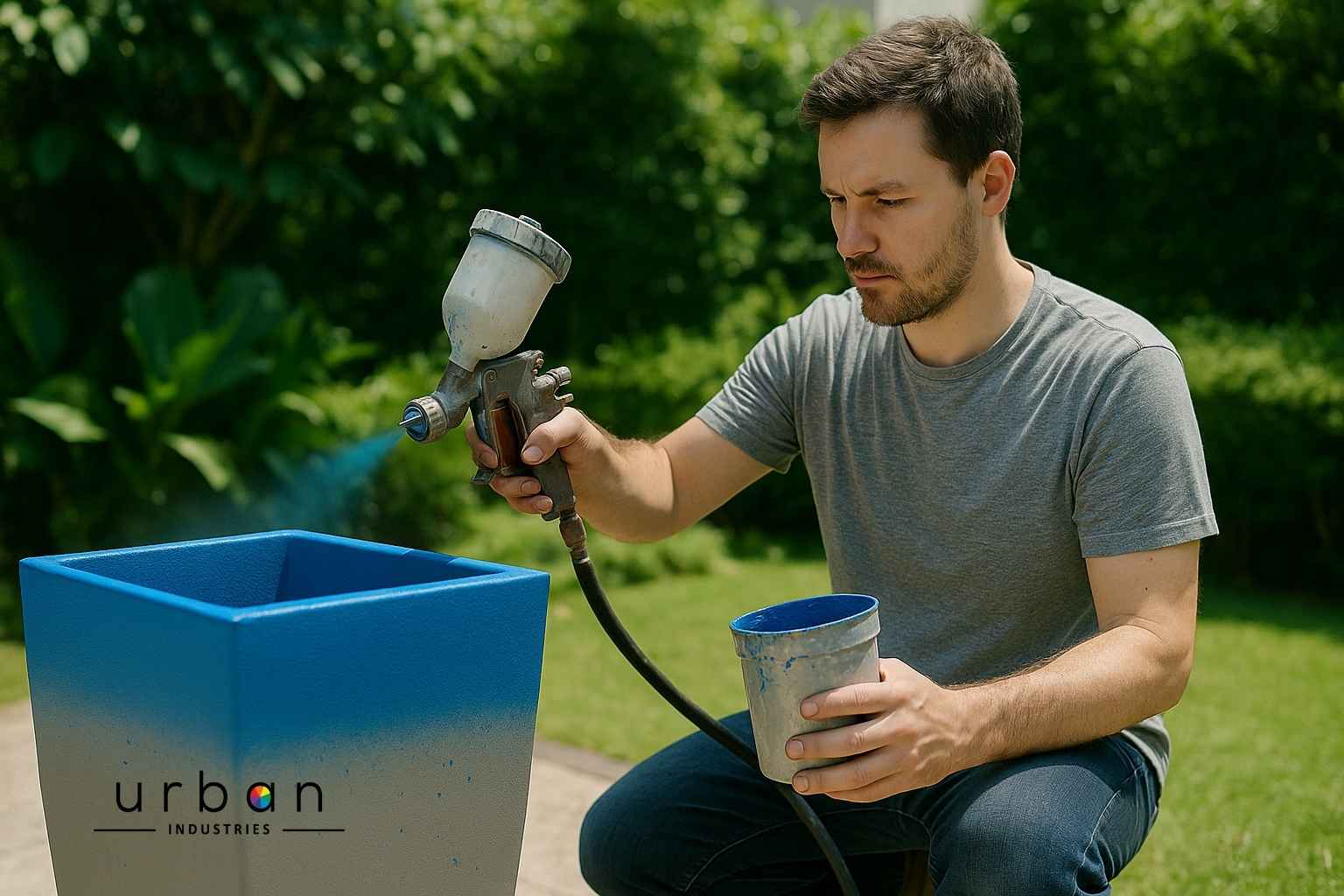
- Spray Painting: Hold can 10-12" away, use sweeping motions
- Drying Time: Wait at least 4 hours between coats
Sealing for Protection
- Clear Coats: Polyurethane for wood, marine varnish for fiberglass
- Application: 2-3 thin coats, sand lightly between coats
Pro Tips for Flawless Results
- Temperature Matters: Paint between 50-85°F for best drying
- Timing Trick: Paint in early morning when humidity is lowest
- Color Choice: Lighter colors last longer in sunny areas
- Maintenance: Touch up chips immediately to prevent peeling
- Weather Protection: Move planters under cover during heavy storms
Choose the Perfect Paint for Your Planter Material
This interactive tool helps you find the best paint type based on your planter's material. Simply select from the dropdown menu to get customized recommendations!
With this complete guide, you're ready to transform any outdoor planter - from classic terracotta to modern fiberglass - with professional, long-lasting results. Your beautiful, weather-proof planters will be the envy of the neighborhood!
Happy Painting!