Fiberglass vs. Concrete, Ceramic, and Plastic Planters: Which is Better?
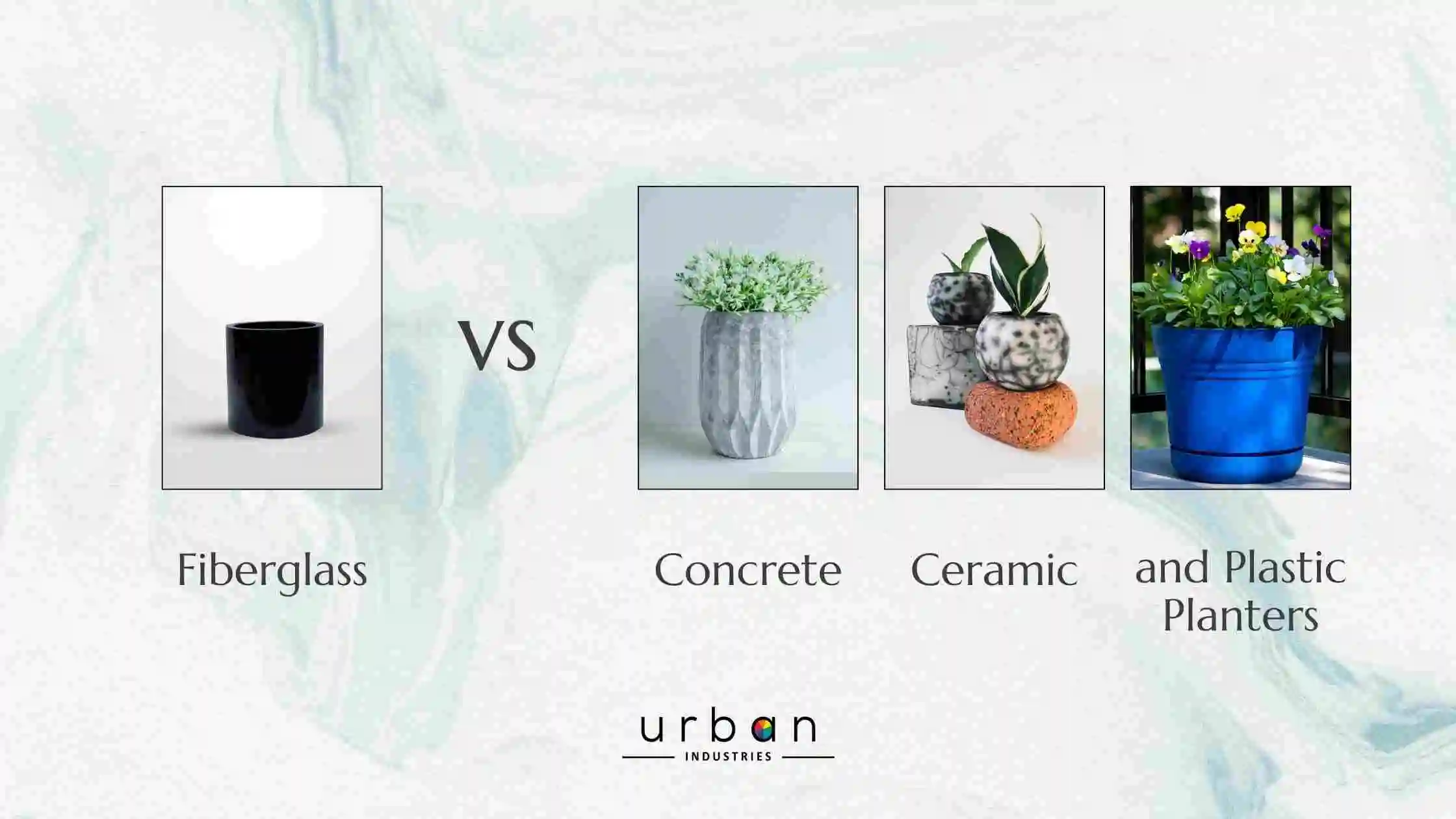
Fiberglass vs. Concrete, Ceramic, and Plastic Planters: Which is Better?
If you love gardening or just want to add some greenery to your home, choosing the right planter is important. Planters come in different materials like fiberglass, concrete, ceramic, and plastic. But which one is the best?
In this post, we’ll compare fiberglass planters with concrete, ceramic, and plastic ones. We’ll look at their pros and cons so you can pick the best option for your plants. Let’s get started!
1. What Are Fiberglass Planters?
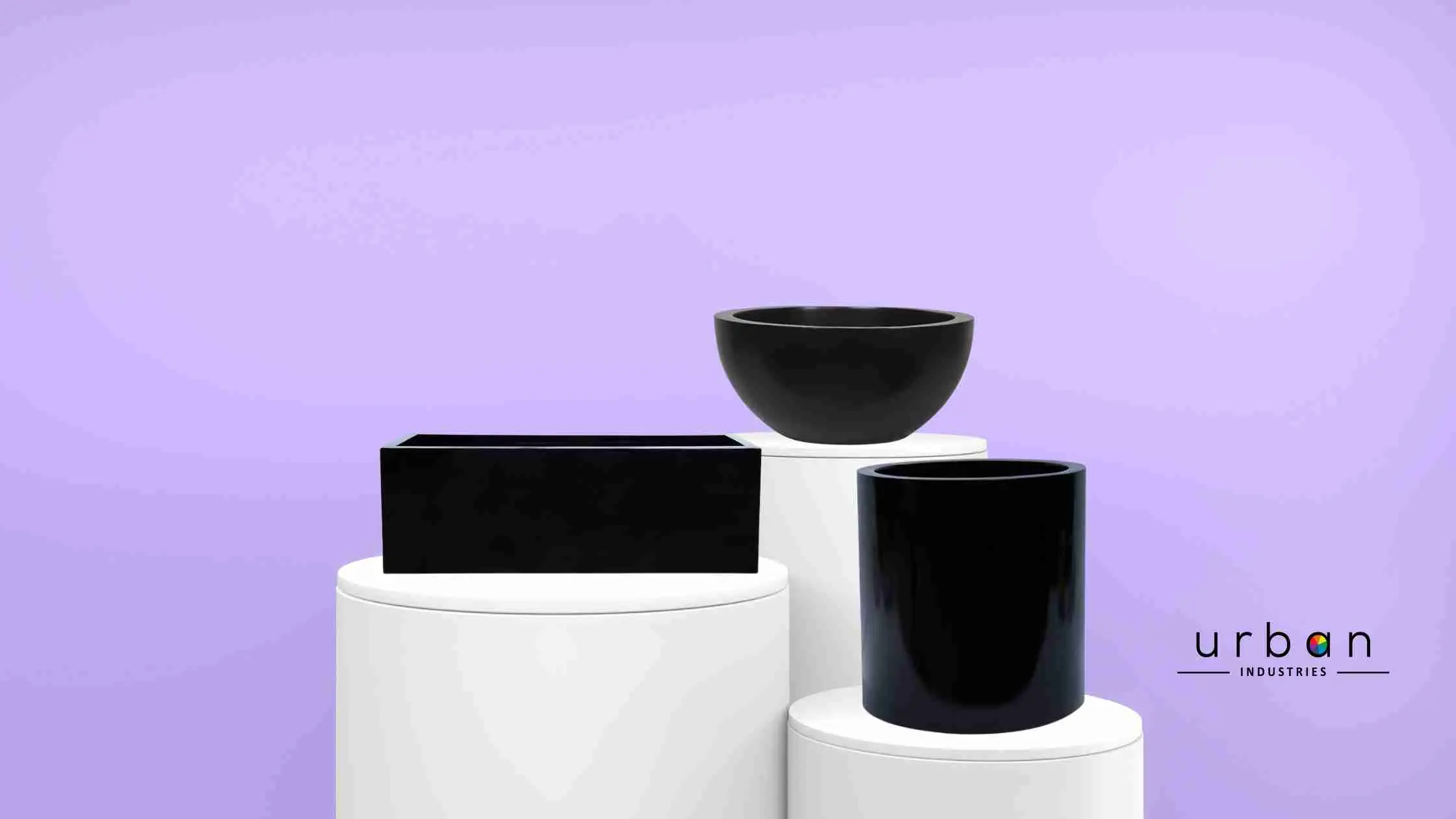
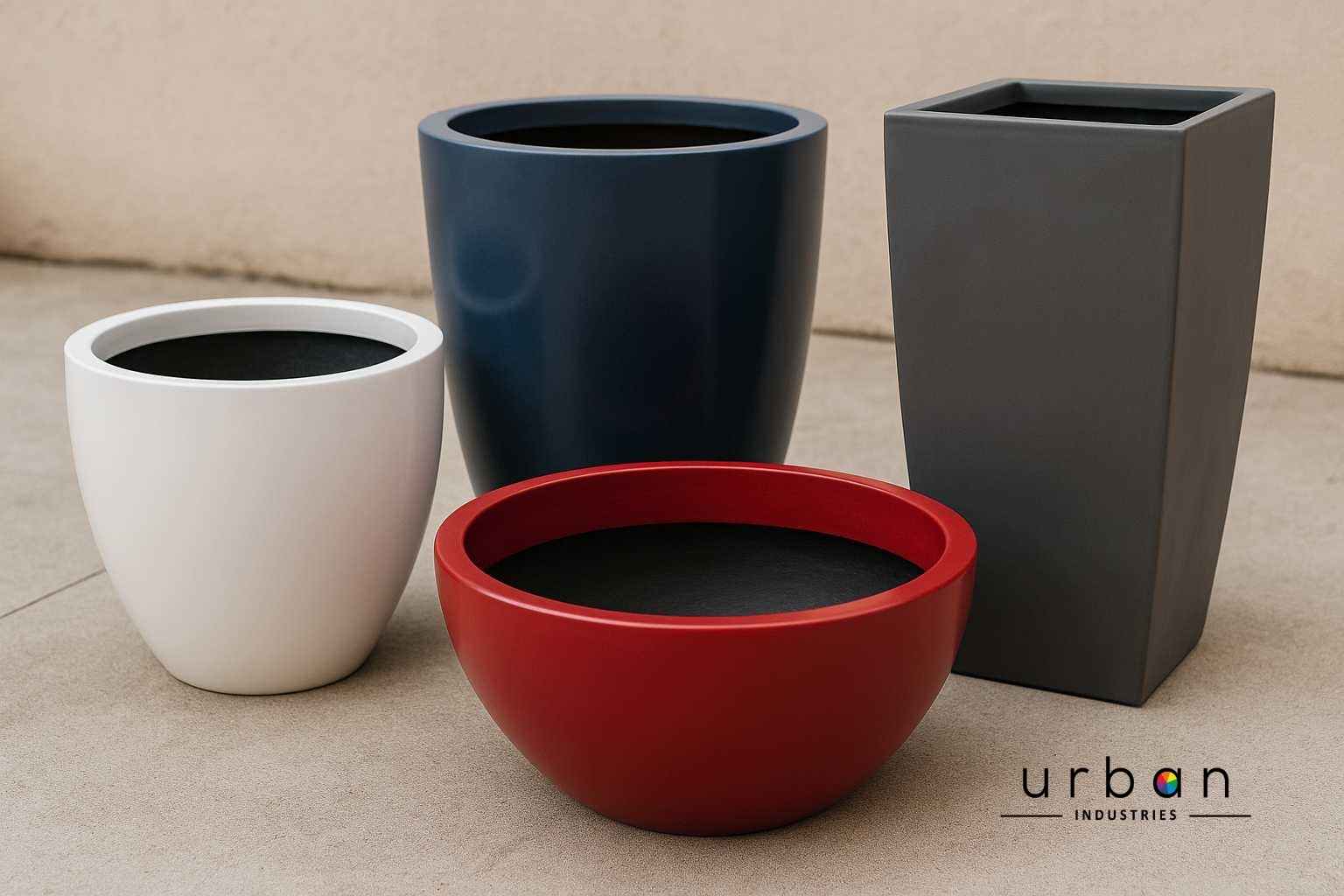
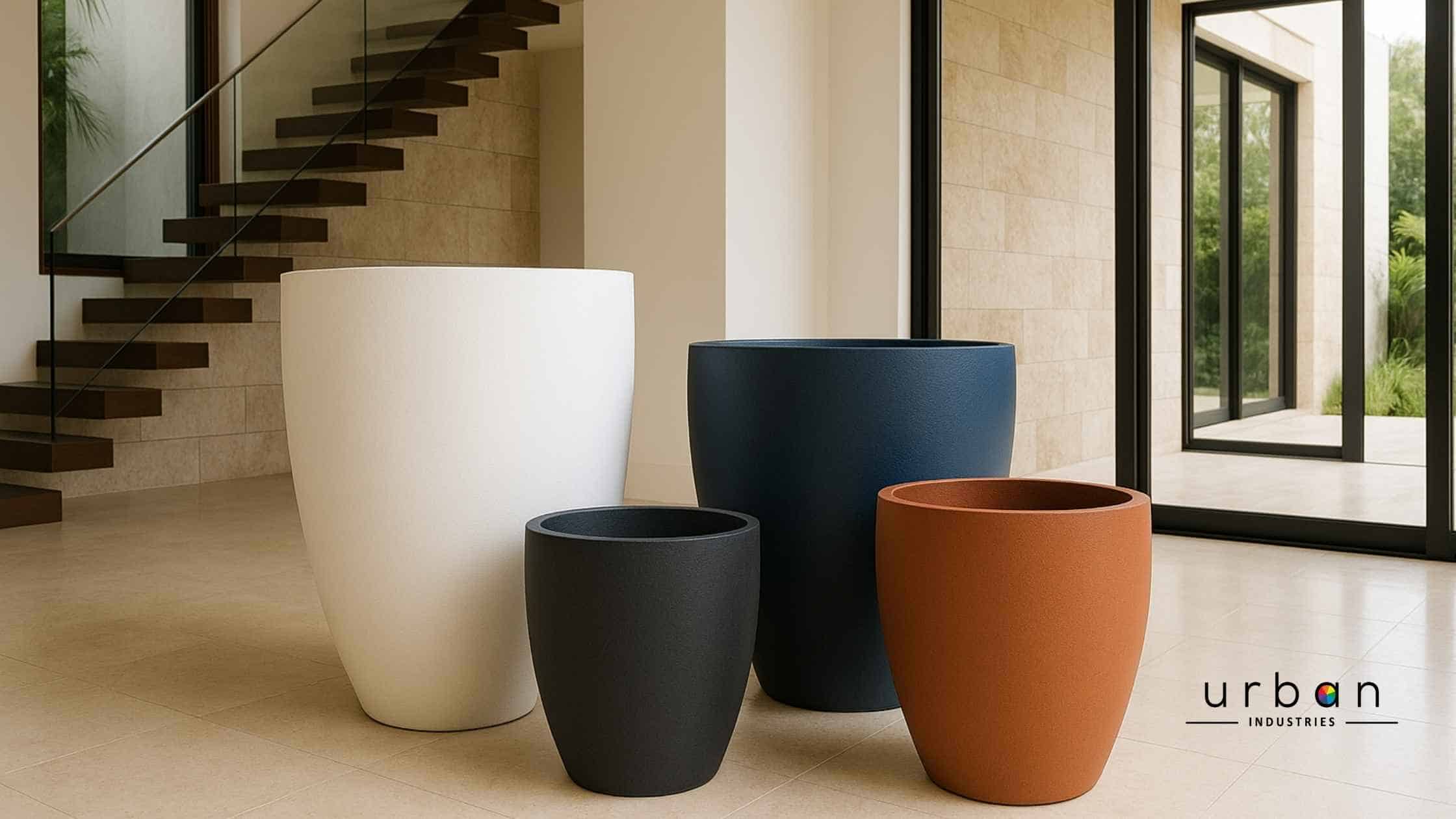
Fiberglass planters are made from a mix of glass fibers and resin. They are lightweight but strong, and they come in many shapes, sizes, and colors.
Pros of Fiberglass Planters:
✅ Lightweight – Easy to move around, even when filled with soil.
✅ Durable – Resistant to cracks and breaks, lasting for years.
✅ Weather-resistant – Handles sun, rain, and cold temperatures well.
✅ Stylish – Can mimic the look of stone, metal, or wood.
✅ Customizable – Available in many colors and finishes.
Cons of Fiberglass Planters:
❌ More expensive than plastic – But cheaper than concrete or ceramic.
2. What Are Concrete Planters?
Concrete planters are heavy and sturdy, made from a mix of cement, sand, and water. They give a modern, industrial look.
Pros of Concrete Planters:
✅ Extremely durable – Can last decades without breaking.
✅ Stable in wind – Heavy enough to stay in place outdoors.
✅ Natural look – Great for modern and rustic styles.
✅ Good insulation – Keeps plant roots cool in hot weather.
Cons of Concrete Planters:
❌ Very heavy – Hard to move once placed.
❌ Can crack in freezing weather – Water expands when frozen, damaging the planter.
❌ Expensive – One of the costliest planter materials.
❌ Porous – Absorbs water, which can dry out soil faster.
3. What Are Ceramic Planters?
Ceramic planters are made from baked clay and often have a glossy finish. They come in many artistic designs.
Pros of Ceramic Planters:
✅ Beautiful designs – Great for indoor decor.
✅ Heavy enough to stay stable – Won’t tip over easily.
✅ Good for small plants – Works well for herbs and succulents.
Cons of Ceramic Planters:
❌ Fragile – Can crack or break if dropped.
❌ Heavy for their size – Not easy to move around.
❌ Not frost-proof – Cracks in freezing temperatures.
❌ Expensive – Handmade ceramic pots can be pricey.
4. What Are Plastic Planters?
Plastic planters are the most common and affordable option. They come in all shapes and sizes.
Pros of Plastic Planters:
✅ Lightweight – Super easy to move.
✅ Cheap – The most budget-friendly option.
✅ Won’t break easily – Good for kids and high-traffic areas.
✅ Many color choices – Bright and fun designs available.
Cons of Plastic Planters:
❌ Less durable – Can fade, crack, or become brittle over time.
❌ Looks cheap – Not as stylish as fiberglass or ceramic.
❌ Can overheat plants – Plastic traps heat, which may harm roots.
❌ Not eco-friendly – Many plastics are not recyclable.
5. Which Planter Material is Best?
Now that we’ve looked at each type, which one should you choose? It depends on your needs!
Best for Outdoors:
Fiberglass – Lightweight, durable, and weather-resistant.
Concrete – Great for stability but heavy.
Best for Indoors:
Ceramic – Stylish and stable for small plants.
Fiberglass – Lightweight and comes in many designs.
Best for Budget:
Plastic – The cheapest option.
Fiberglass – More expensive than plastic but lasts longer.
Best for Durability:
Concrete – Nearly indestructible (unless frozen).
Fiberglass – Strong and long-lasting.
Best for Style:
Ceramic – Elegant and artistic.
Fiberglass – Can look like stone or metal.
Final Thoughts
Each planter material has its own strengths and weaknesses:
- Fiberglass is a great all-around choice—lightweight, durable, and stylish.
- Concrete is super strong but heavy and expensive.
- Ceramic is beautiful but fragile and best for indoors.
- Plastic is cheap and lightweight but not very durable.
If you want the best balance of durability, style, and ease of use, fiberglass planters are the winner! They work well indoors and outdoors, last a long time, and come in many designs.
What’s your favorite planter material? Let us know in the comments!
FAQ
Q: Do fiberglass planters crack in winter?
A: No, fiberglass is resistant to freezing temperatures, unlike concrete or ceramic.
Q: Are plastic planters bad for plants?
A: They can overheat roots in direct sunlight, but they’re fine for shade-loving plants.
Q: Can I leave ceramic planters outside?
A: Only if they’re labeled "frost-proof." Regular ceramic can crack in cold weather.
Q: How long do fiberglass planters last?
A: With proper care, they can last 10+ years without fading or cracking.