What Is the Best Material for Outdoor Planters? (The Ultimate Guide)
What Is the Best Material for Outdoor Planters? (The Ultimate Guide)
If you love gardening, you know that choosing the right planter is just as important as picking the perfect plants. Outdoor planters need to handle sun, rain, wind, and even snow—so the material matters!
But with so many options—plastic, ceramic, wood, metal, concrete, and fiberglass—how do you know which one is best?
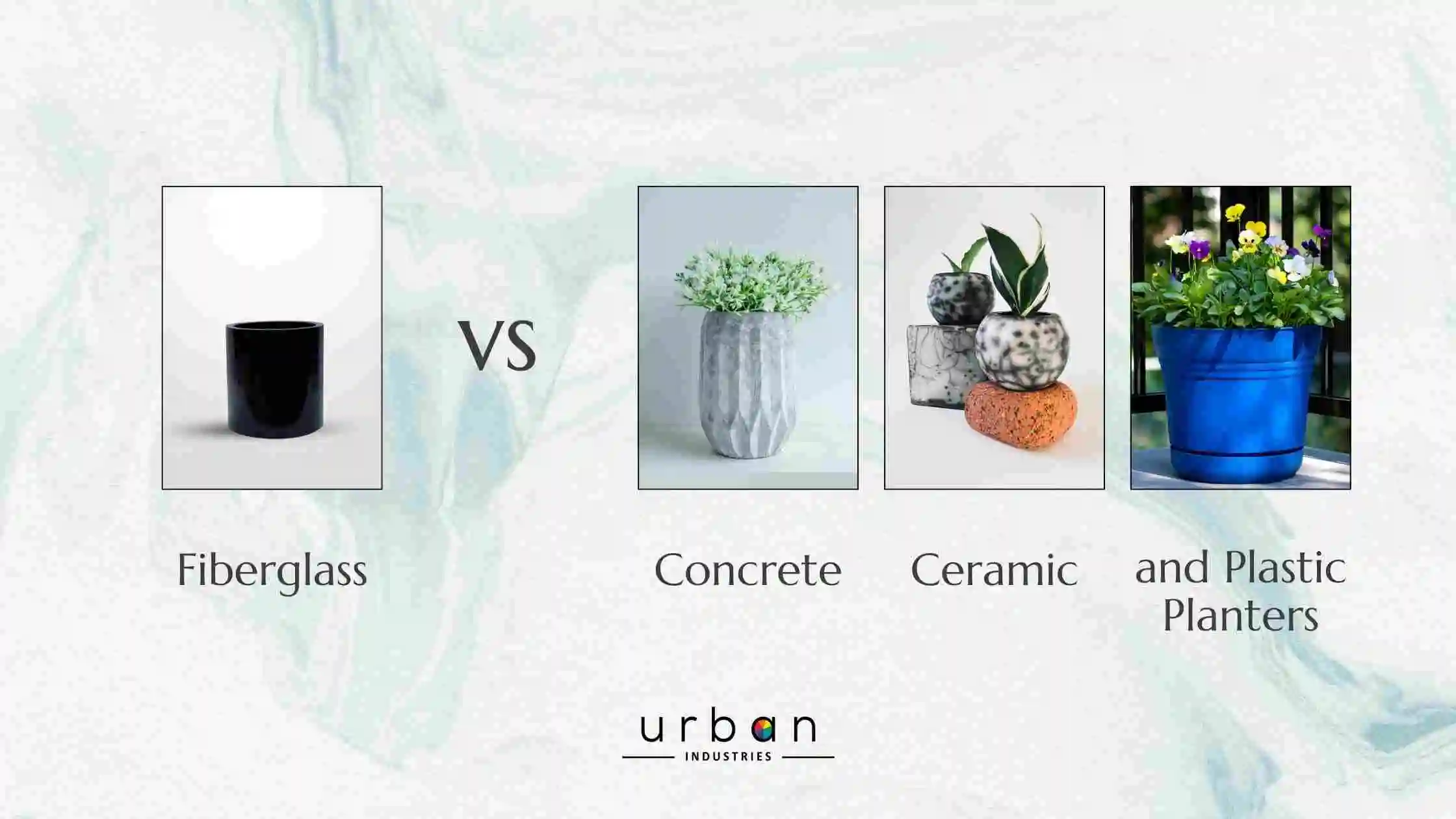
In this guide, we’ll break down the pros and cons of each material and reveal why fiberglass is the #1 choice for outdoor planters.
Why Does Planter Material Matter?
Before we dive into different materials, let’s talk about why this decision is important. Outdoor planters face tough conditions:
Sunlight can fade colors and weaken materials.
- Rain and moisture can cause rust, rot, or cracks.
- Wind and storms can knock over lightweight planters.
- Extreme temperatures (hot summers, freezing winters) can damage weak materials.
A good outdoor planter should be:
- Durable – Lasts for years without breaking.
- Weather-resistant – Handles sun, rain, and cold.
- Lightweight (but stable) – Easy to move but won’t tip over.
- Aesthetic – Looks great in your garden or patio.
Now, let’s compare the most common planter materials.
1. Plastic Planters – Cheap but Weak
Pros:
- Very affordable
- Lightweight (easy to move)
- Comes in many colors
Cons:
- Fades in sunlight
- Can crack in cold weather
- Looks cheap compared to other materials
Best for: Temporary use or small plants.
2. Ceramic & Terracotta Planters – Pretty but Fragile
Pros:
- Classic, natural look
- Good for plant roots (breathable)
Cons:
- Heavy and hard to move
- Cracks in freezing temperatures
- Expensive for large sizes
Best for: Indoor or covered outdoor spaces.
3. Wood Planters – Natural but High-Maintenance
Pros:
- Beautiful rustic appearance
- Can be custom-built
Cons:
- Rots over time from moisture
- Needs sealing and regular care
- Attracts pests like termites
Best for: Short-term use or treated wood.
4. Metal Planters – Strong but Rust-Prone
Pros:
- Very sturdy and stylish
- Modern look (great for decor)
Cons:
- Gets extremely hot in the sun (can burn plants)
- Rusts if not coated properly
- Heavy (hard to move)
Best for: Decorative use in shaded areas.
5. Concrete Planters – Heavy Duty but Bulky
Pros:
- Extremely durable
- Great for large plants/trees
Cons:
- Very heavy (hard to rearrange)
- Can crack in freezing weather
- Expensive
Best for: Permanent installations.
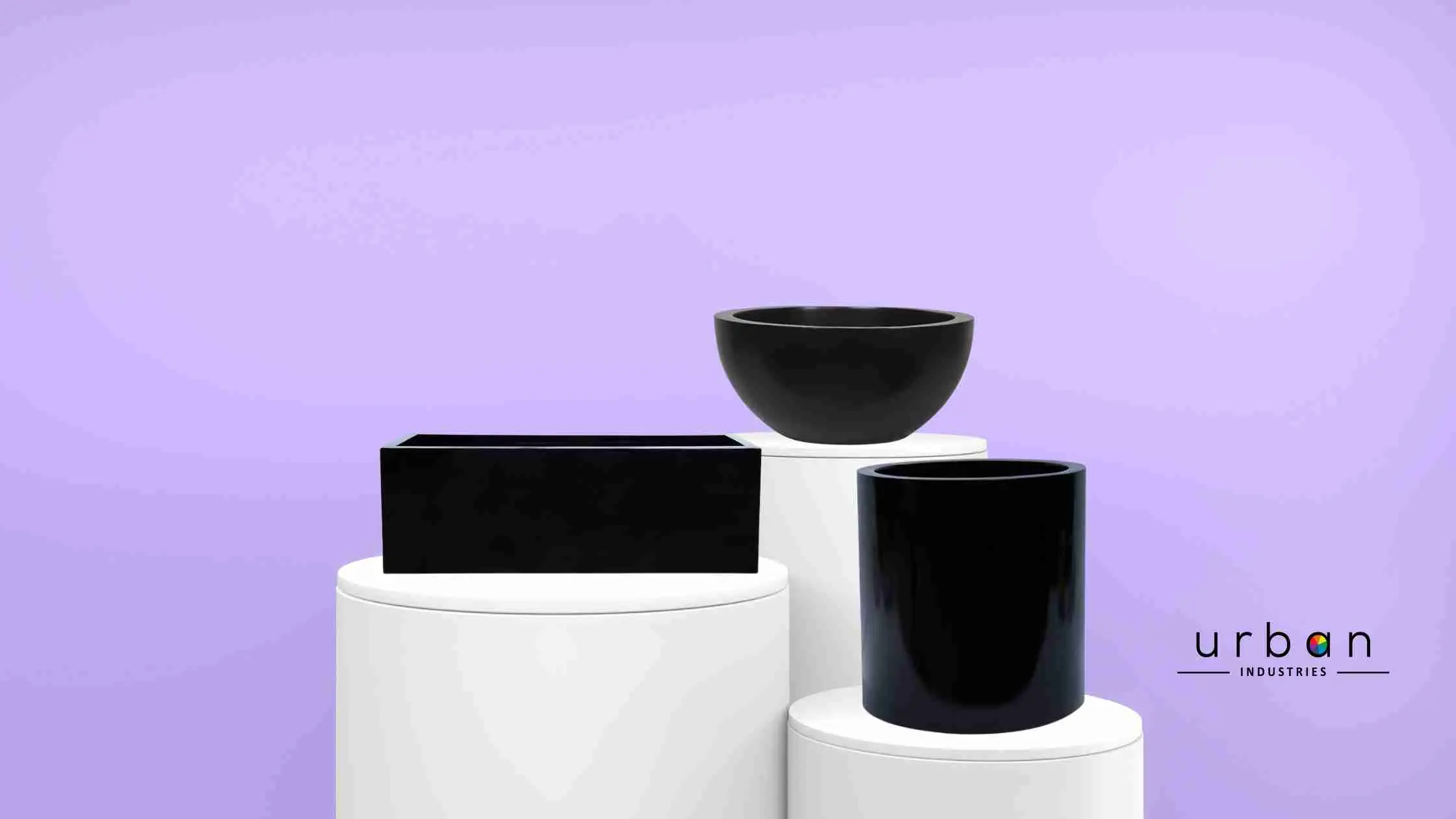
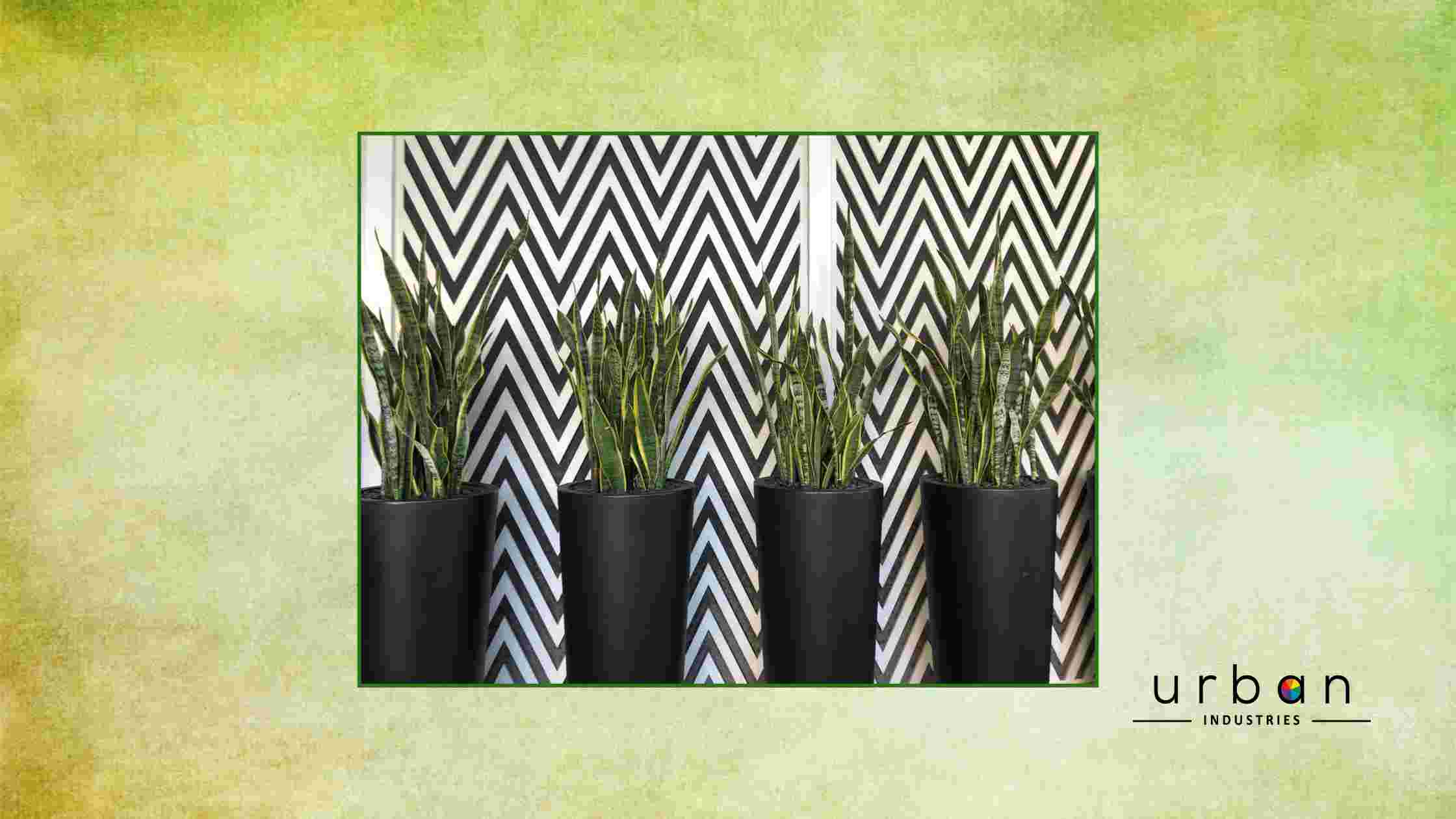
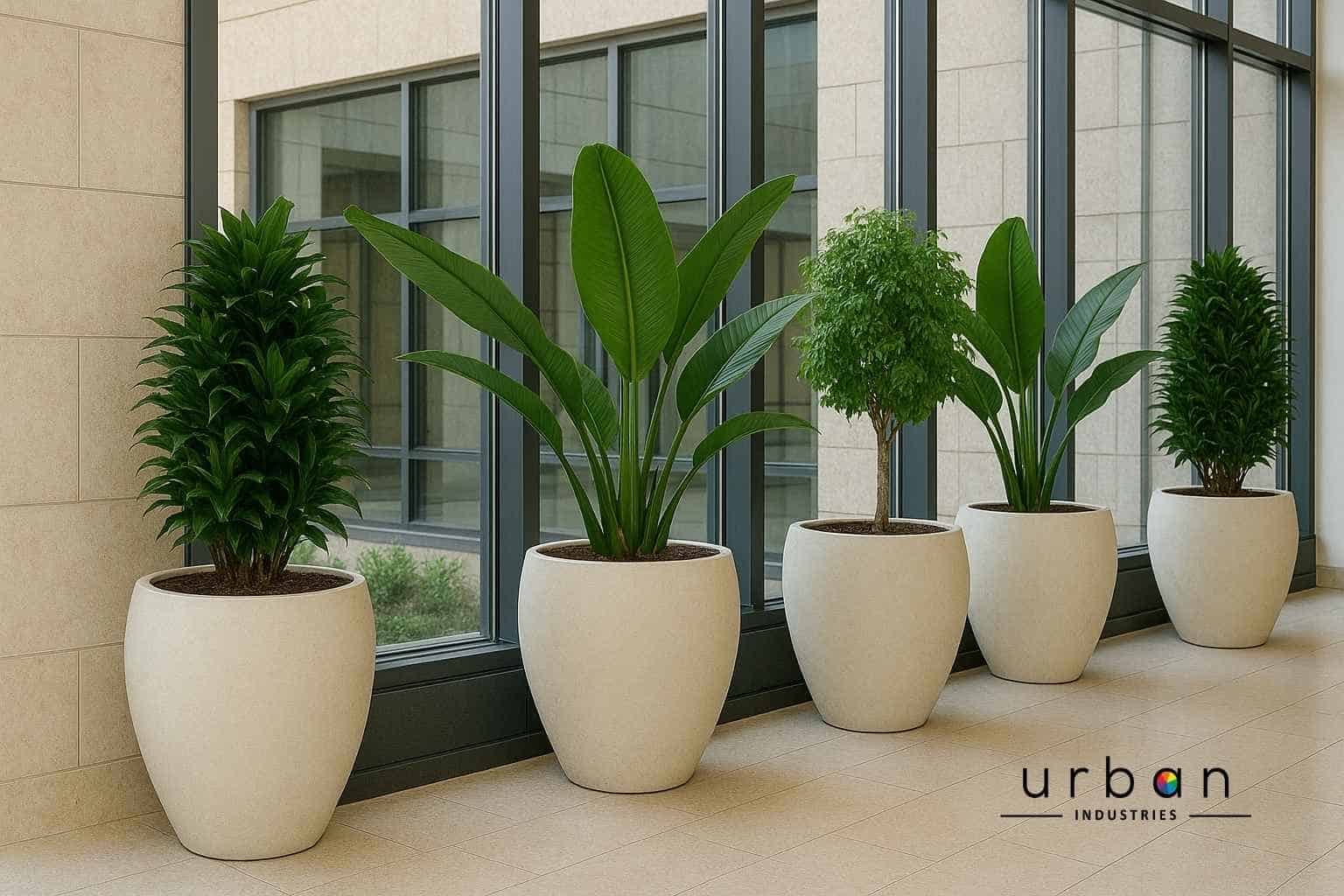
6. Fiberglass Planters – The Best Choice for Outdoors
After comparing all the options, fiberglass stands out as the best material for outdoor planters. Here’s why:
- Lightweight but strong – Won’t crack or break easily.
- Weatherproof – Resists sun, rain, and freezing temps.
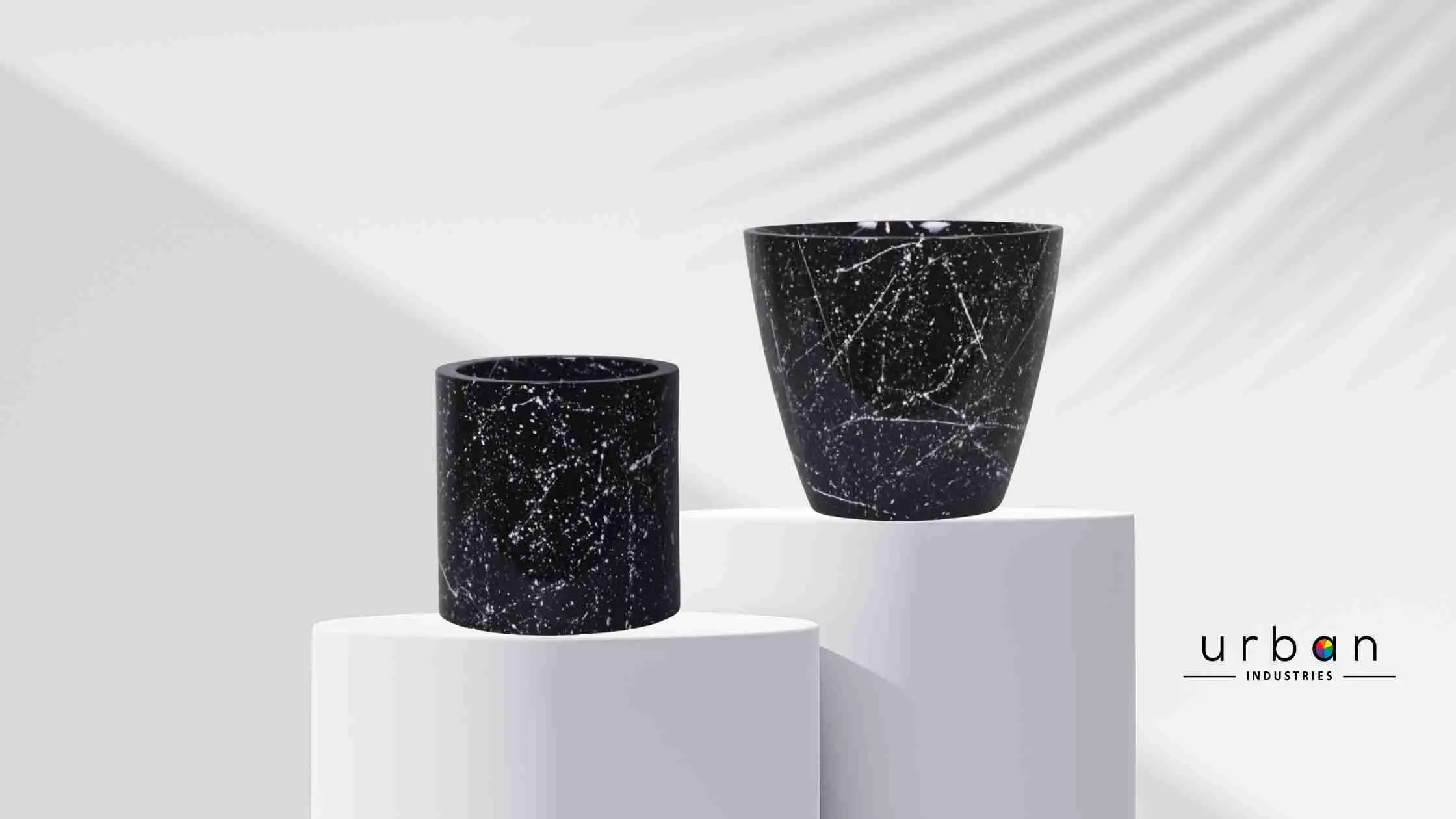
- Looks like real materials – Can mimic stone, wood, or ceramic.
- Easy to move – Much lighter than concrete or ceramic.
- Long-lasting – Won’t rot, rust, or fade over time.
Why Fiberglass Beats Other Materials
Final Thoughts
Choosing the right planter material makes a big difference in how long your plants thrive. While there are many options, fiberglass offers the best mix of durability, style, and ease of use.
Do you have a favorite planter material? Let us know in the comments!