Indoor vs. Outdoor Fiberglass Planters: What’s the Difference?
Indoor vs. Outdoor Fiberglass Planters: What’s the Difference?
If you love plants, you’ve probably thought about getting planters to keep them in. Fiberglass planters are a great choice because they’re strong, lightweight, and come in many styles. But did you know that some fiberglass planters are better for indoors, while others work best outside?
In this post, we’ll break down the differences between indoor and outdoor fiberglass planters. By the end, you’ll know exactly which type is right for your plants.
1. Durability and Weather Resistance
Outdoor Fiberglass Planters
Outdoor planters face sun, rain, wind, and sometimes snow. Because of this, they need to be extra tough.
• UV Protection – Outdoor planters often have a special coating to prevent fading from sunlight.
• Thicker Material – They are usually thicker to handle temperature changes without cracking.
• Drainage Holes – Most outdoor planters have holes at the bottom to let extra water escape.
Indoor Fiberglass Planters
Since indoor planters stay inside, they don’t need to fight harsh weather.
• No UV Coating Needed – They won’t fade because there’s no direct sunlight (unless near a sunny window).
• Lighter Build – They can be thinner since they don’t face extreme temperatures.
• May or May Not Have Drainage – Some indoor planters skip drainage holes to avoid leaks on floors.
Key Takeaway: If you’re keeping a planter outside, make sure it’s built for outdoor use. Indoor planters won’t last long in bad weather.
2. Size and Shape
Outdoor Fiberglass Planters
Outdoor spaces (like patios, gardens, or balconies) usually have more room, so outdoor planters tend to be:
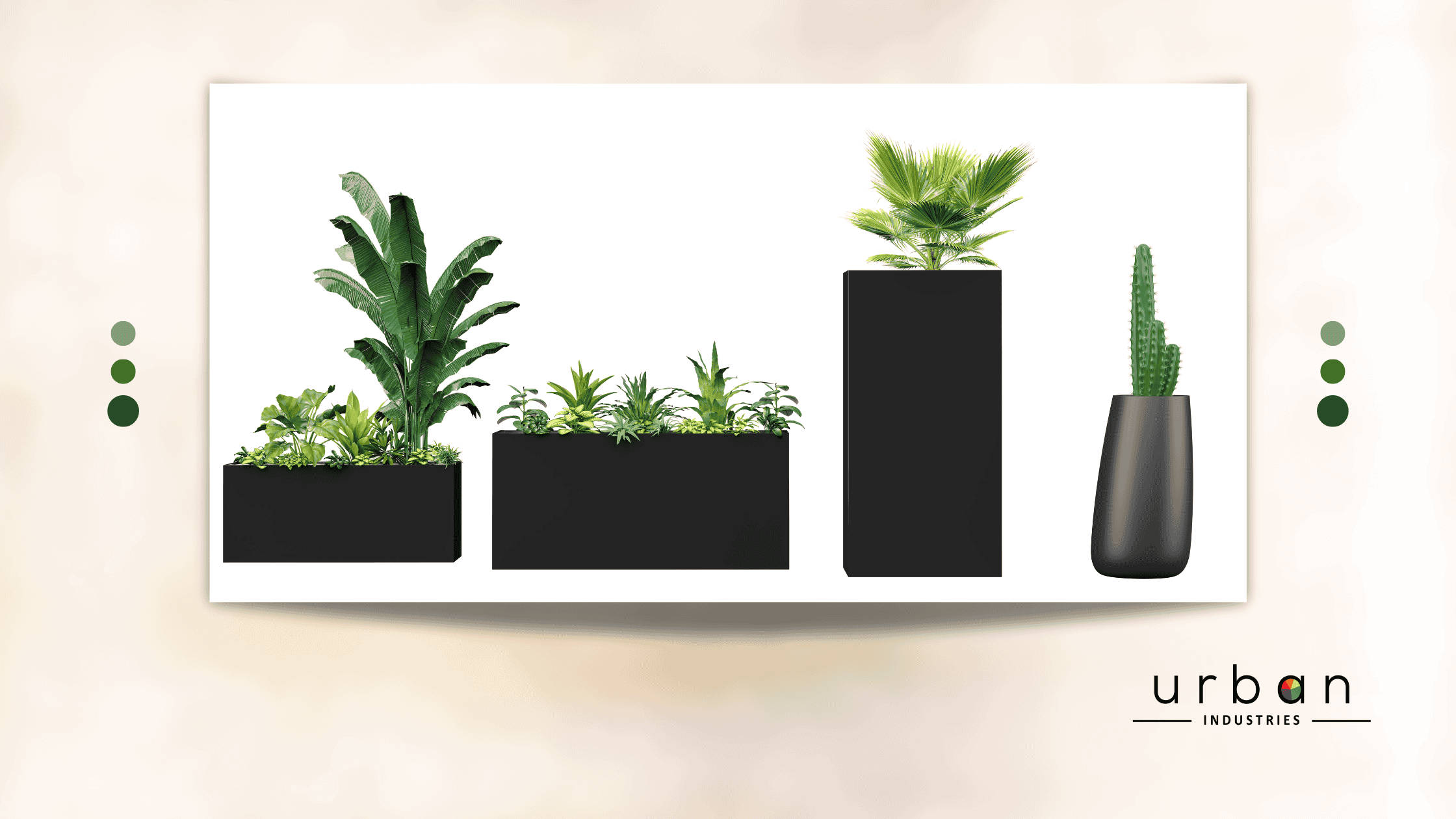
• Bigger – To hold large plants or small trees.
• Wider and Deeper – Helps plants grow strong roots.
• Heavier (When Filled) – Even though fiberglass is light, big planters with soil can be hard to move.
Indoor Fiberglass Planters
Indoors, space is often limited, so indoor planters are usually:
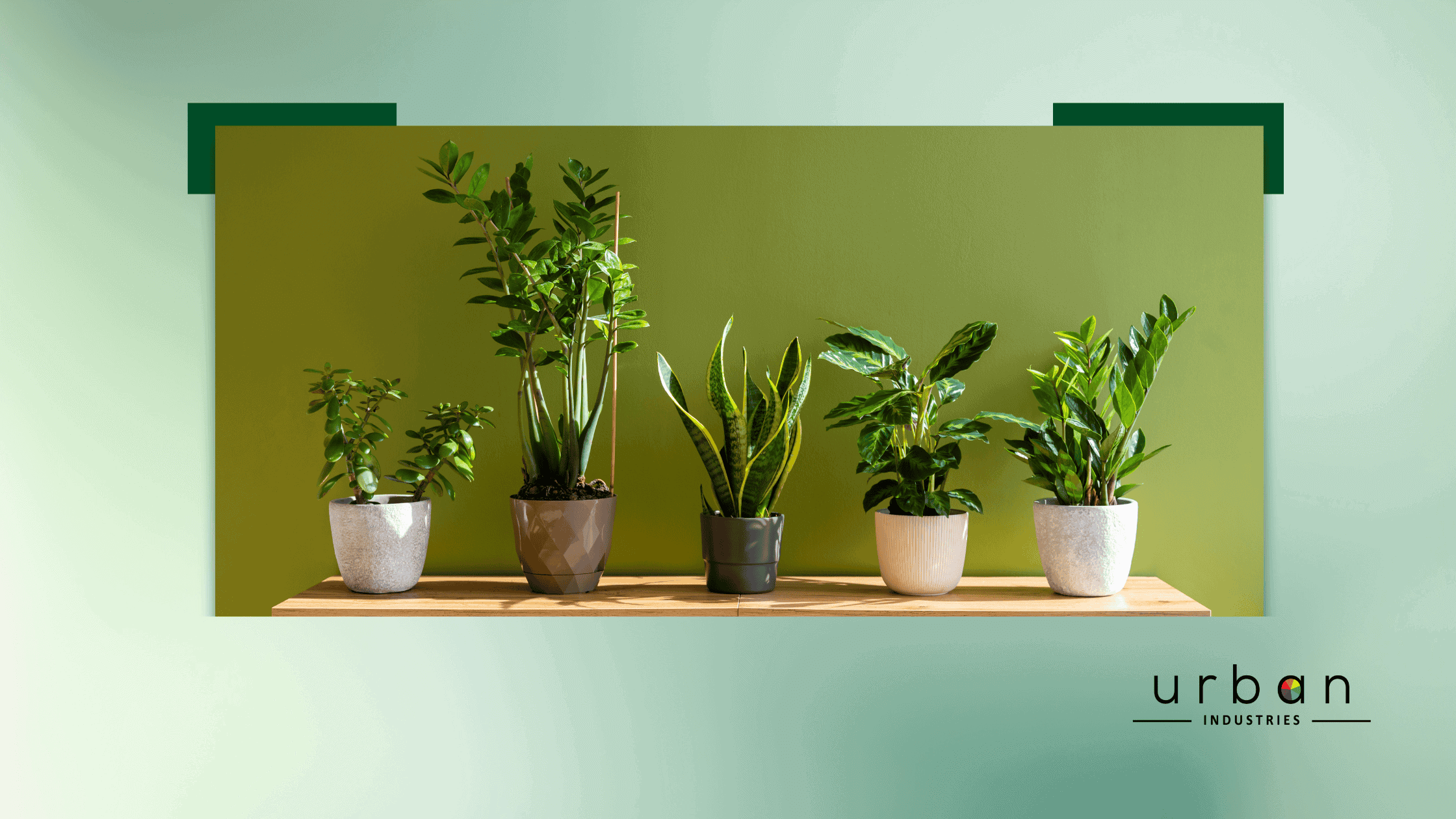
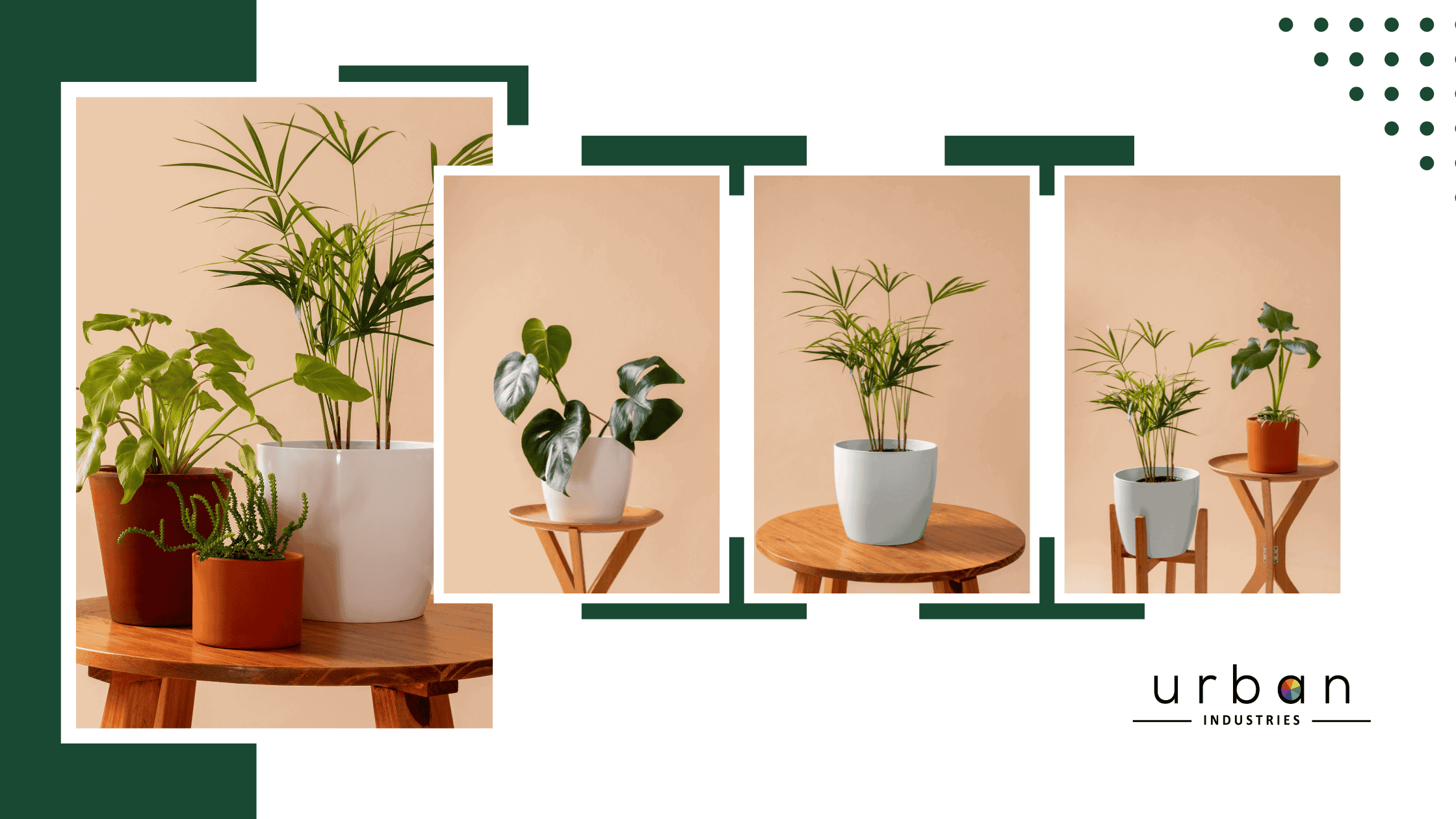
• Smaller – Fits on tables, shelves, or corners.
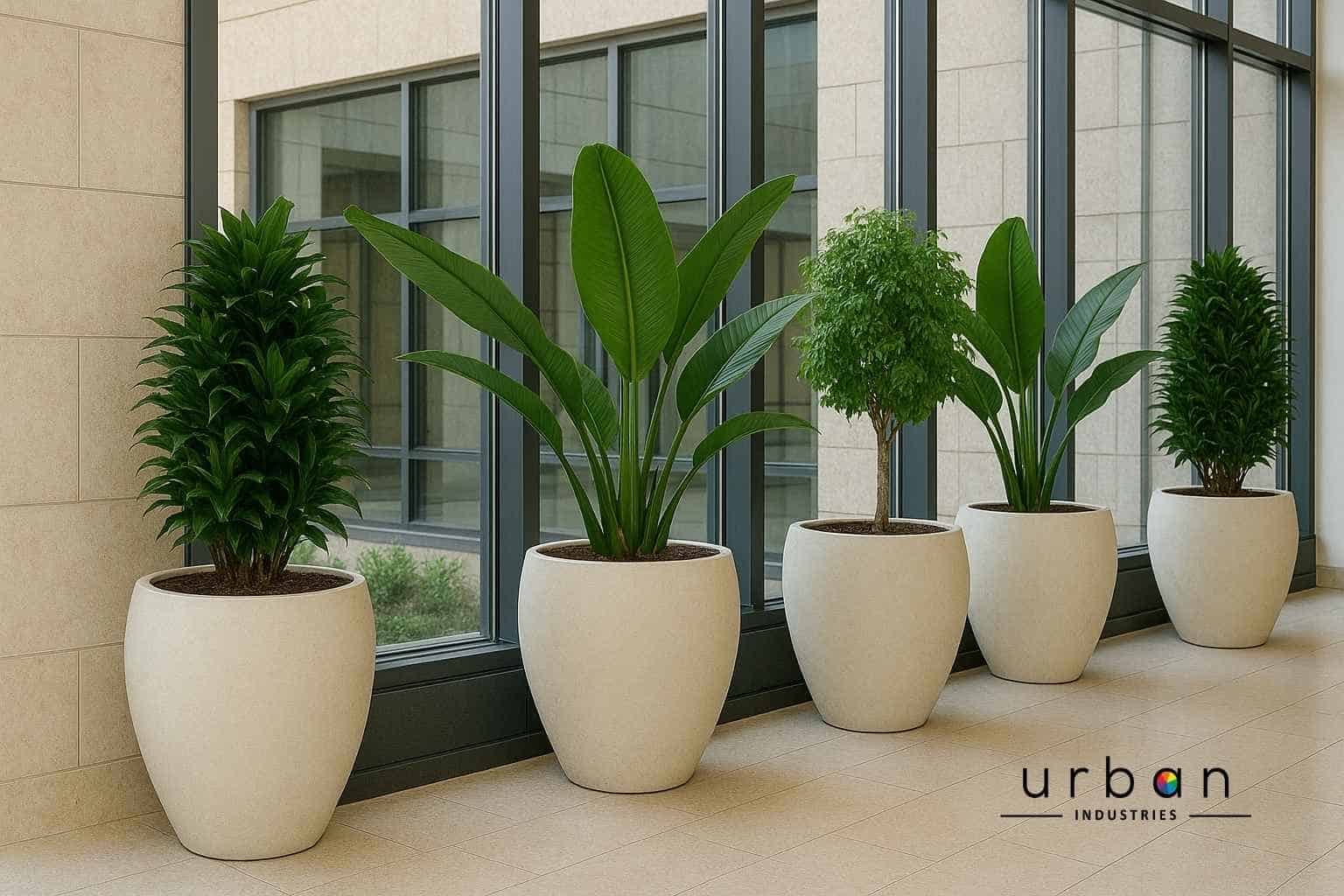
• Sleeker Designs – Made to match home décor (like modern, rustic, or minimalist styles).
• Easier to Move – Since they’re smaller, you can rearrange them without trouble.
Key Takeaway: Outdoor planters are bigger for open spaces, while indoor ones are smaller for tables and shelves.
3. Style and Finish
Both indoor and outdoor fiberglass planters come in many styles, but some differences stand out.
Outdoor Fiberglass Planters
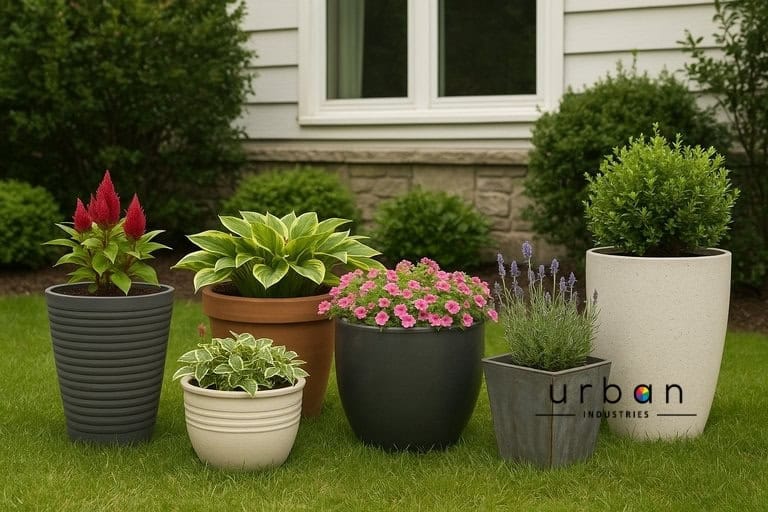
• Natural Finishes – Often made to look like stone, wood, or concrete for a garden-friendly look.
• Textured Surfaces – Helps them blend into outdoor settings.
• Neutral Colors – Browns, grays, and whites are common to match nature.
Indoor Fiberglass Planters
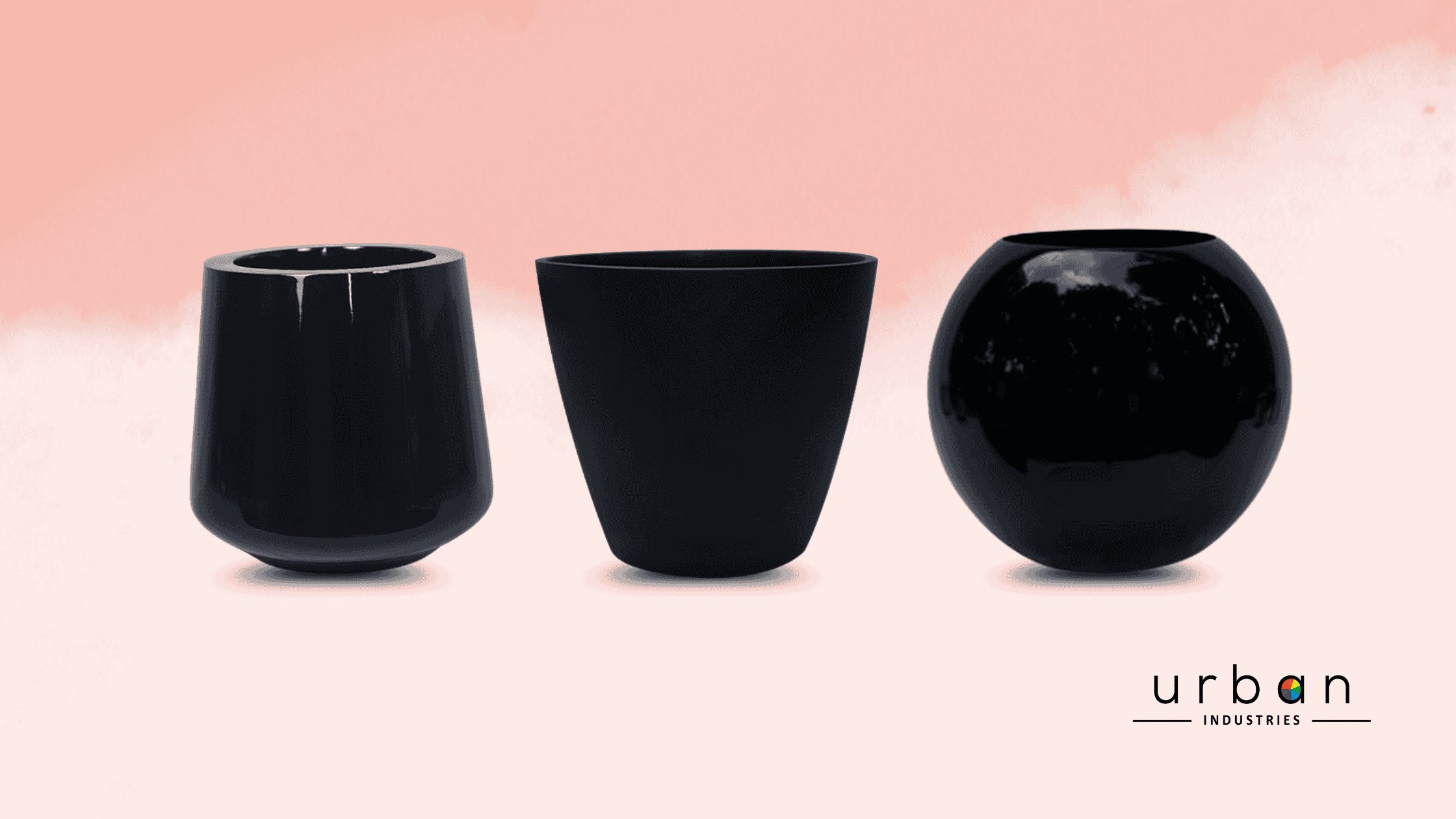
• Smooth or Glossy Finishes – Gives a polished look for homes.
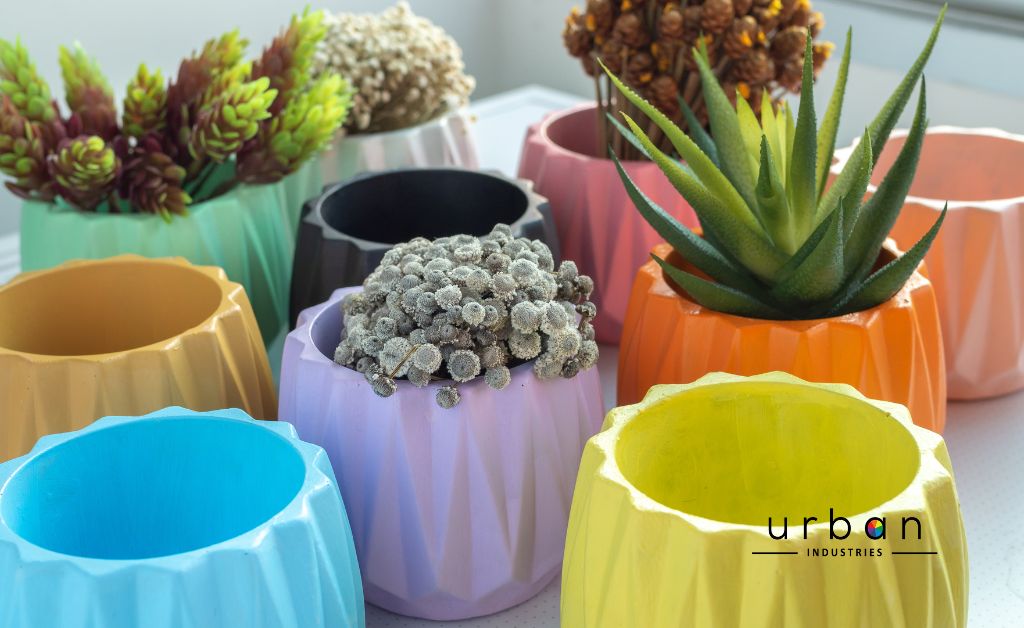
• Bright Colors & Patterns – Some have bold colors or designs to add style to a room.
• Metallic or Matte Options – Fits modern or classic home decor.
Key Takeaway: Outdoor planters look natural, while indoor ones can be more stylish and colorful.
4. Maintenance and Care
Outdoor Fiberglass Planters
Since they’re outside, they need a little extra care:
• Clean Occasionally – Dirt and pollen can build up; a simple wipe-down keeps them looking good.
• Check for Cracks – Freezing weather can sometimes cause damage over time.
• Move in Extreme Weather – If possible, bring them inside during harsh winters or storms.
Indoor Fiberglass Planters
Indoor planters are easier to maintain:
• Dust Regularly – Just wipe with a damp cloth to keep them shiny.
• Avoid Overwatering – If there’s no drainage, too much water can harm the plant and the planter.
• Rotate for Even Sunlight – Helps plants grow evenly if near a window.
Key Takeaway: Outdoor planters need more upkeep, while indoor ones stay clean with simple care.
5. Cost Differences
You might wonder if one type costs more than the other.
• Outdoor Planters – Usually pricier because they need extra weatherproofing and thicker material.
• Indoor Planters – Often cheaper since they don’t need as much protection.
However, high-end indoor planters (like designer styles) can still be expensive.
Key Takeaway: Outdoor planters cost more due to durability, but indoor ones can vary in price.
Can You Use Indoor Planters Outside (or Vice Versa)?
Sometimes, you might want to switch things up. Here’s what you should know:
• Indoor Planters Outside – Not recommended. They’ll fade, crack, or break faster.
• Outdoor Planters Inside – Works fine! They’re tough enough for indoors, but might look too bulky.
Key Takeaway: Stick to the right type for the best results.
Final Thoughts: Which One Should You Choose?
Now that you know the differences, picking the right planter is easy!
Choose an Outdoor Fiberglass Planter If You Need:
✔ Weather resistance
✔ Bigger size for trees or large plants
✔ A natural look for gardens or patios
Choose an Indoor Fiberglass Planter If You Need:
✔ A stylish look for your home
✔ Smaller, lightweight pots for tables or shelves
✔ Easy maintenance
No matter which one you pick, fiberglass planters are a great choice for your plants. They last long, look great, and keep your plants happy.